
Hand Surgery

Carpal Tunnel Surgery (Carpal Tunnel Release)

US Board Certified15+ Years Experience2200+ Happy Patients
What is Carpal Tunnel Surgery (Carpal Tunnel Release)?
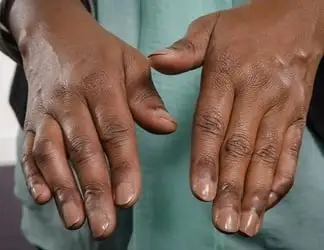
Carpal Tunnel Syndrome is a common condition that causes pain, tingling and numbness in the hand and arm. This condition occurs when one of the major nerves – the median nerve – from the wrist to the hand gets squeezed or compressed.
How Much Does It Cost?

Every patient is unique, and Dr. Maresky believes in creating personalized treatment plans tailored to your specific needs and goals. During your consultation, he will assess your individual case and provide you with a detailed cost estimate.

The consultation fee is R1,495, which is fully credited toward your scheduled procedure or in-practice treatment. This ensures you receive expert guidance while making progress toward your aesthetic goals.

Book your consultation today to discuss your personalized plan and receive an accurate cost estimate for Carpal Tunnel Surgery (Carpal Tunnel Release).

Book Consultation
The Procedure
In some cases, surgery is not required, in which case wrist braces and corticosteroids can help. When surgery is required, there are two main options to choose from: open and endoscopic. In both cases, the surgeon will cut the ligament around the carpal tunnel to relieve the pressure around the median nerve.
Recovery & Aftercare
You are likely to feel relief from your symptoms soon after your surgery, however, the recovery period could be anything from 2 weeks to several months depending on the surgery.
Expected Results
Most patients experience immediate relief from symptoms. The long-term outcome is usually excellent with proper post-operative care.

Ready to Get Started?

Schedule your consultation with Dr. Maresky today

Book Consultation

Why Choose Dr. Maresky

Safety First
Proven Results
Personalized Care
Carpal Tunnel Surgery (Carpal Tunnel Release) - Image 1 of 5
Carpal Tunnel Surgery (Carpal Tunnel Release) - Image 2 of 5
Carpal Tunnel Surgery (Carpal Tunnel Release) - Image 3 of 5
Carpal Tunnel Surgery (Carpal Tunnel Release) - Image 4 of 5
Carpal Tunnel Surgery (Carpal Tunnel Release) - Image 5 of 5
1 / 5

Frequently Asked Questions

What causes carpal tunnel syndrome?
Carpal tunnel syndrome can be caused by repetitive hand motions, certain medical conditions like diabetes or rheumatoid arthritis, or anatomical factors that reduce space in the carpal tunnel.
Book a Consultation
Are there non-surgical treatments available?
Yes, initial treatments may include wrist splinting, corticosteroid injections, activity modification, and anti-inflammatory medications.
Book a Consultation
How long does carpal tunnel surgery take?
The procedure typically takes about 15-30 minutes and is usually performed as an outpatient procedure under local anesthesia.
Book a Consultation
What are the symptoms of carpal tunnel syndrome?
Common symptoms include numbness, tingling, or burning sensations in the thumb, index, middle, and ring fingers. You may also experience weakness in grip strength, difficulty holding objects, and nighttime hand pain that disrupts sleep.
Book a Consultation
When should I consider surgery for carpal tunnel syndrome?
Surgery is recommended when conservative treatments fail to provide relief, symptoms significantly impact daily activities, muscle wasting occurs in the thumb area, or nerve conduction studies show severe nerve damage.
Book a Consultation
What is the recovery time after carpal tunnel surgery?
Most patients can perform light activities within 2-3 days. Return to desk work is typically possible within 1-2 weeks, while manual labor may require 4-6 weeks. Full recovery and maximum strength return within 2-3 months.
Book a Consultation
Will I have a visible scar after carpal tunnel surgery?
The incision is typically 2-3cm long at the base of the palm. While there will be a scar, it fades significantly over time and is usually quite discrete. Dr Maresky uses precise surgical techniques to minimize scarring.
Book a Consultation
Can carpal tunnel syndrome come back after surgery?
Recurrence is rare, occurring in less than 5% of cases. Surgery permanently releases the compressed nerve. However, maintaining good hand ergonomics and addressing underlying conditions helps ensure long-term success.
Book a Consultation