


Eyelid Surgery (Blepharoplasty) Pre & Post-Operative Instructions
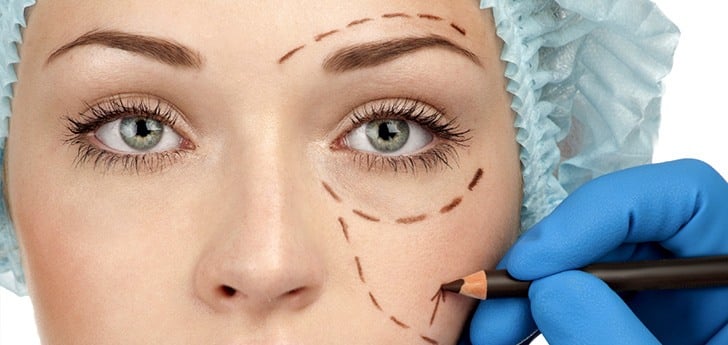
Pre-Operative Instructions
- • Please advise the doctor if you are taking any blood thinning medication (e.g. Warfarin, Disprin, Aspirin, etc.)
- • This will need to be discontinued prior to surgery as per doctor's instructions.
- • Uncontrolled high blood pressure raises the risk of bleeding complications in all forms of surgery – please ensure your blood pressure is well controlled prior to your surgical date.
- DO NOT take any of the following medications prior to surgery:
- – Anti-inflammatories (e.g. Brufen, Ibuprofen, Myprodol, Voltaren, etc.)
- – Homeopathic medications (e.g. Arnica, Rescue Remedy, St John's Wort)
- – Vitamin E (oral or topical)
- • Prepare your skin for 3 weeks before surgery with Dermalac Lotion and Vitamin A, C & E Body Oil from Environ.
- • Take a bath or shower with antibacterial soap (or Bioscrub) on the morning of your admission.
- • Do not apply any body lotion.
- • Regardless of whether you are having a general anesthetic or conscious sedation – you should not eat or drink anything for 6 hours prior to surgery.
- • If you are a smoker – NO SMOKING for 3 months prior to surgery.
- • Bring comfortable cotton underwear.
Post-Operative Instructions
- • You will need someone to drive you home after your surgery and help you for 1 to 2 days.
- • You will need plenty of rest.
- • Decreased activity and pain medication may promote constipation, so you may want to add more fruit and fiber to your diet.
- • Be sure to increase your fluid intake.
- • Take pain medication as prescribed. Do not take aspirin or any products containing aspirin.
- • Do not drink alcohol when taking pain medications.
- • If you are taking vitamins with iron, resume these as tolerated.
- • Do not smoke, as smoking delays healing and increase the risk of complications.
Activities
- • Start walking as soon as possible – this helps to reduce swelling and lowers the chance of blood clots.
- • Do not drive until your vision is normal.
- • Avoid activities that raise your blood pressure, including bending, lifting and rigorous sports.
- • Keep activities to a minimum for 3 to 5 days. Avoid strenuous activities for 2 to 3 weeks.
- • You can return to work within 7 to 10 days.
Incision Care
- • Avoid wetting your face while showering or bathing for the first 5 days.
- • Avoid steam baths and saunas for several months.
- • Avoid exposing your scars to the sun for at least 12 months.
- • Always use sunblock – regardless of the weather – if you plan to go outdoors or not.
- DO NOT USE ANY CREAMS CONTAINING VITAMIN E TO TREAT THE INCISION AREAS FOR THE FIRST 3 MONTHS.
- • Keep Steri-Strips on (until the doctor says they are no longer necessary).
- • Keep incisions clean and inspect daily for signs of infection.
- • Do not cut any stitches shorter.
- • Use Tears Naturale eye drops during daytime whenever your eyes feel dry or scratchy.
- • Use DuraTears ointment before going to sleep to keep your eyes moist.
- • Keep your head elevated – sleep with it propped up.
- • Wait at least 2 weeks before wearing contact lenses.
- • You may use cold compresses for comfort and to help decrease the swelling.
- • You may follow your usual skincare routine – taking care to avoid applying any creams containing Vitamin E in the incision areas. Continue using eye gel or creams once the sutures are removed.
- • Wear sunglasses as you will have a sensitivity to sunlight, wind and other irritants for several weeks.
What To Expect
- • Occasionally, the eyes have to be bandaged for the first night.
- • Maximum discomfort should occur in the first 48 hours, improving each day thereafter.
- • Expect temporary swelling of the eyelids, tightness of the lids, bruising, dryness, burning and itching of the eyes.
- • You may have a minor discharge in the corner of your eyes for approximately 1 week.
- • For the first few weeks, you may experience excessive tearing, sensitivity to light and double or blurred vision.
- • You may have difficulty closing your eyes when you sleep.
Appearance
- • Bruising and swelling of your eyelids may last 1 to 2 weeks.
- • Healing is a gradual process and your scars may remain slightly pink for 3 months or more.
- • Tiny whiteheads may appear after stitches are taken out. These can be easily removed by your surgeon at your follow-up appointment.
Follow Up Care
- • All sutures will be removed at your post-operative visit (usually 4 days postoperatively).
- • The remainder of the stitches will dissolve in 6 to 8 weeks.
- • An eye cream or gel can be obtained from the practice to assist in the healing process.
When To Call
- • If you have increased swelling or bruising.
- • If swelling and redness persist after a few days.
- • If you have increased redness along the incision.
- • If you have severe or increased pain not relieved by medication.
- • If you have any side effects to medications, such as rash, nausea, headache, and vomiting.
- • If you have an oral temperature over 37°C.
- • If you have any drainage from the incisions or notice a foul odor.
- • If you have bleeding from the incisions that does not stop with light pressure.
Emergency Contact
078 867 61372